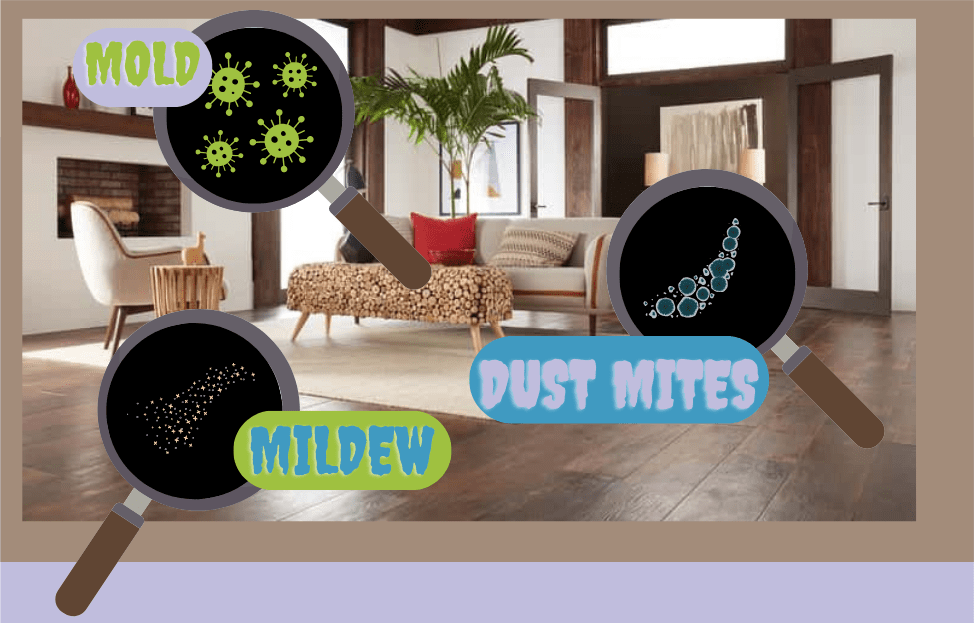
Creating a healthy and allergen-free home is essential for those who suffer from allergies or respiratory issues. One often overlooked aspect of achieving this goal is the type of flooring in our homes. Let’s look at the connection between flooring, allergies, and indoor air quality, discussing mold and mildew, dust mites, the benefits of carpet, and practical tips to improve air quality.
Understanding the Culprits: Mold, Mildew, and Dust Mites
- Mold and Mildew: Mold and mildew thrive in damp environments, making areas like bathrooms, kitchens, and basements susceptible. Choosing flooring materials that resist moisture and are easy to clean, such as tile or luxury vinyl, can help prevent the growth of these allergens.
- Dust Mites: Dust mites are microscopic creatures that feed on human and pet skin flakes. They often accumulate in carpets, bedding, and upholstered furniture. For allergy sufferers, minimizing dust mites is crucial. However, completely eliminating them is challenging. Opting for flooring options that do not provide a suitable habitat for dust mites, like hard surfaces, can be beneficial.
The Benefits of Carpet: Filtering and Trapping Allergens
- Carpet as an Allergen Filter: Contrary to common belief, well-maintained carpets can be advantageous for those with allergies. Carpets act as a filter, trapping allergens like dust, pet dander, and pollen, preventing them from circulating in the air. Regular vacuuming with a HEPA filter vacuum and professional carpet cleaning can help maintain a clean and allergen-free carpet. With hard surfaces, the dust its on top of the flooring and can re-circulate back into the air as people move about the home.
- Choosing Low-Pile Carpets: When selecting carpets, opt for low-pile (another word for short fiber) varieties. Low-pile carpets are easier to clean, and their shorter fibers provide fewer hiding places for allergens compared to high-pile (long fiber) options. There are many trendy options of low-pile carpets in stores today. There are beautiful pattern carpets made by cut fibers and loop fibers or all loop fibers. Think of an updated berber.
- Antimicrobial Carpets: Wool carpets are made from the fibers of a sheep’s coat. They are naturally antimicrobial and will repel allergens and dust. Microban is a treatment applied to some textiles including some carpets and hard surface flooring that builds in the antimicrobial and odor control for the life of the carpet.

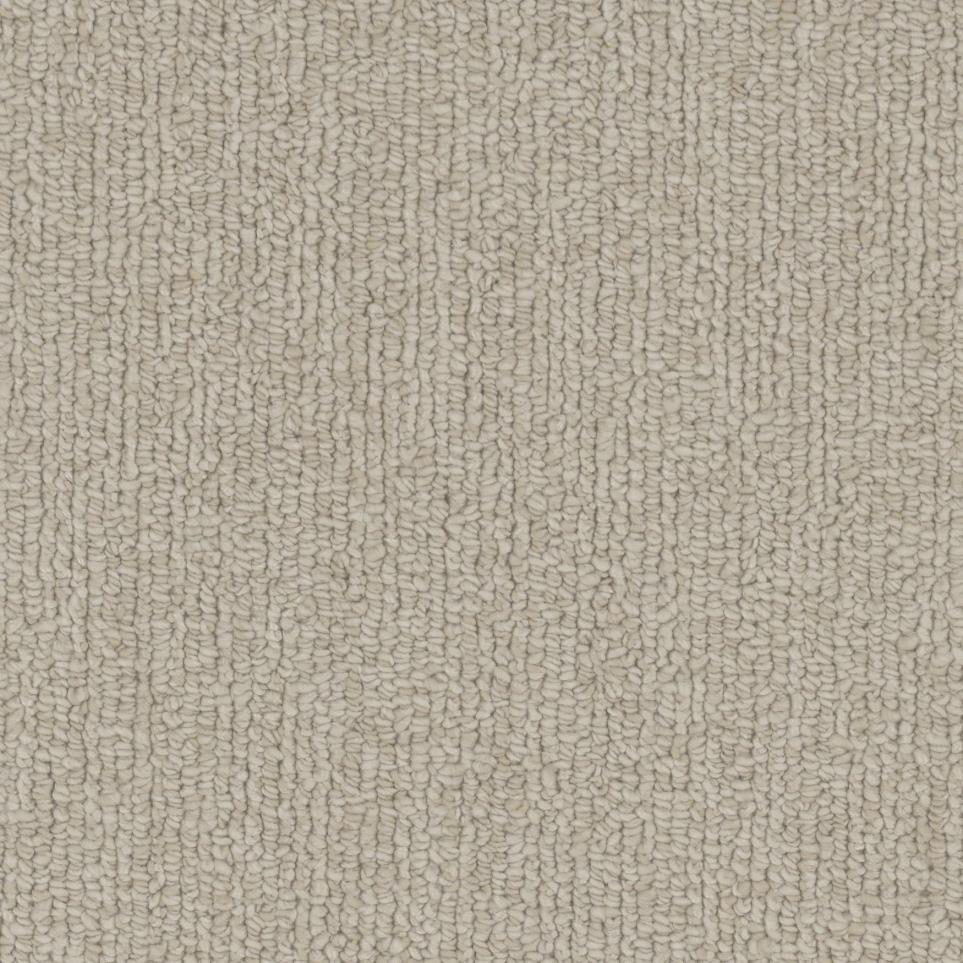
Room by Room Style: Ferris Farms
Color: Town
This carpet is a low-pile carpet that has Microban antimicrobial applied. The antimicrobial and odor resistance will last for the life of this carpet which we at Top Floors Carpet One Floor & Home, Suwanee, Georgia will warranty for 25 years!
Practical Tips for Improving Indoor Air Quality:
- Door Mats and Rugs: Place doormats at entryways to capture dirt and allergens from shoes before they get tracked too far into your home. Additionally, strategically placing rugs in high-traffic areas can further prevent the spread of particles throughout the house. Our recommendation is a mat outside the front door and inside the front door. Double the chance to trap that dirt and dust!
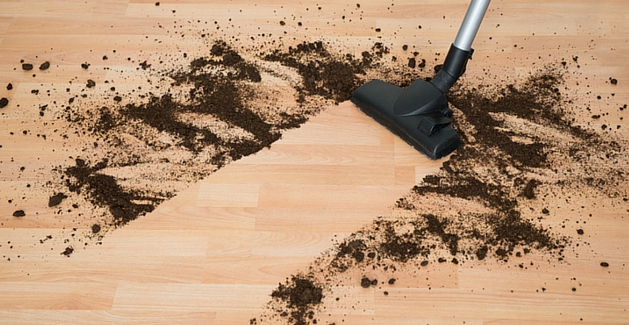
- Regular Cleaning Routine: Develop a consistent cleaning routine to minimize allergen buildup. Vacuum carpets, rugs, furniture and curtains regularly, and dust surfaces using a damp cloth to trap and remove particles effectively.
- Remove Shoes Indoors: Implement a no-shoes policy indoors. Shoes can track in pollen, dirt, and other outdoor allergens. Having a designated area near the entrance for shoe removal can significantly reduce the introduction of allergens. Get yourself a cute little shoe rack right by your main entrance.
- Proper Ventilation: Ensure proper ventilation in your home to reduce indoor humidity levels. Use exhaust fans in bathrooms and kitchens and consider using a dehumidifier in damp areas to discourage mold growth. Don’t forget to change your air conditioning air filters one the recommended schedule. A full filter will not be able to trap as many particles and those will be re-circulated back into your home.
Check out these Helpful Guides to keeping your floors clean:

Learn More about keeping your carpets clean
How to Deep Clean Your Hardwoods
You now have the knowledge, go create an Allergen-Free Haven!
Incorporating flooring choices that resist allergen buildup and adopting practical measures to improve indoor air quality can significantly impact the well-being of allergy sufferers. From selecting the right flooring materials to adopting the above daily habits that minimize allergen exposure, these steps contribute to creating a healthier and more comfortable living space for everyone. By taking a holistic approach to flooring and indoor air quality, you can transform your home into a haven that promotes respiratory health and overall well-being. Now, you can breathe easy!




 Top Floors Blog
Leave a comment